
A little while ago, a Canvanaut shared something in our annual people survey that stopped us in our tracks:
“Having the neurodiverse experience recognised in a workplace, along with suggested strategies, support structures and resources, is wild. I can't actually put it into words.”
The word that stayed with us was "wild". Not because their experience was extraordinary, but because feeling understood and supported at work shouldn’t be surprising. It should be something everyone can expect, yet it is still rare for so many people.
That’s what we’re working towards at Canva.
For us, neuroinclusion isn’t about a program or policy. It’s about recognising that people think, communicate, and work differently, and creating a place where those differences are understood and supported. Sometimes that means rethinking how we do things. Other times, it’s something as simple as asking a question before making an assumption.
And often, it’s the small, everyday moments that make the biggest difference.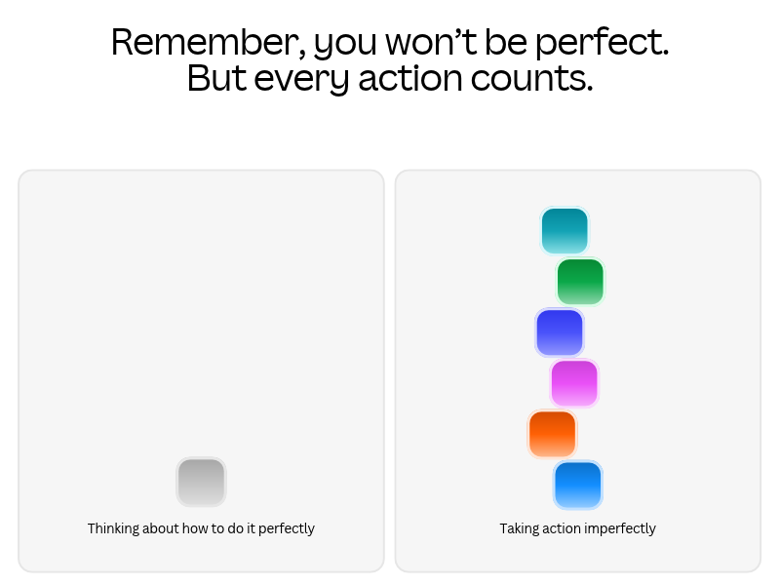
Neurodivergence isn't rare. At Canva, 1 in 12 Canvanauts have shared that they’re neurodivergent with us. The real number is likely higher because some people are still working it out, while others may simply not feel the need to share. Either way, this was never about a small group "over there". It's about people already part of our teams doing their best at work every day.
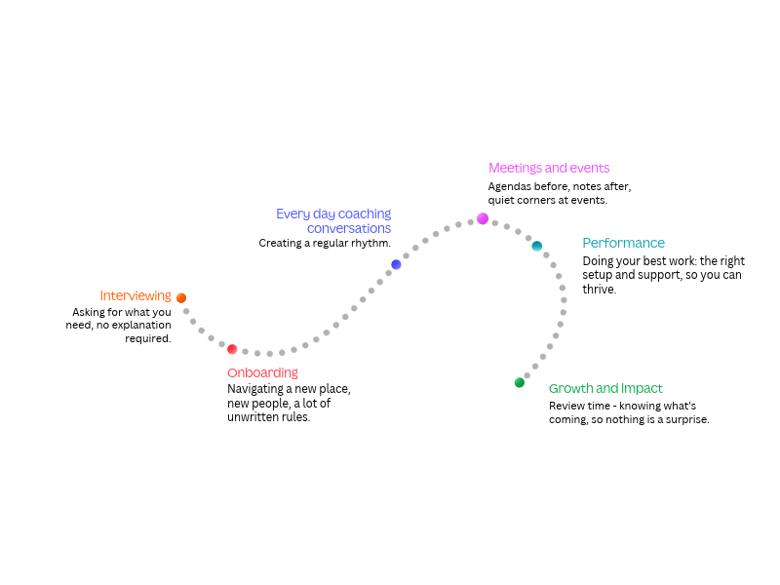
October is ADHD Awareness Month; an opportunity to share some of the ways we’re working to make Canva a more neuroinclusive place for everyone. From someone’s first interview, to how they work with their Coach, to finding their community and shaping their work day.
It starts before you join
For most people, their first experience at Canva is an interview. It’s a format that can be tough for anyone – unfamiliar faces, unexpected questions, and on-the-spot thinking that can make it hard to show your best thinking.
At Canva, that’s something we design around. Before the process begins, we let candidates know what to expect, and check in along the way to see whether any adjustments would help. That way, we’re proactively offering support, more than once, rather than waiting for someone to feel comfortable asking. We don’t want anyone having to guess what support is available.
The smallest adjustments are often the most impactful. A little extra time, a camera-off break, or sharing interview questions in the Zoom chat so candidates can read them as well as hear them. They’re small things to set up, but make a big difference to how someone shows up.
Candidates can also speak with someone outside their recruitment process about what might help. This gives them a chance to explore adjustments, and feel comfortable with any arrangements, before their interview. No forms or diagnosis needed.
Your first weeks, and every week after
Starting somewhere new can be a lot to take in. Our onboarding experience covers how we work, what’s expected, and where to go for support, so people can settle in with confidence. From there, neuroinclusion becomes part of working life. And that's exactly the point.
Flexible working lets you shape your week around when and where you think best. Our offices are lively, but they have quieter zones too, so you can pick a spot that works for you. Lunch and snacks are taken care of, and we encourage teams to run meetings in ways that help: an agenda before, notes after, cameras optional.
“As someone who is neurodivergent, flexible working means I can cater my workday to where/how I will turn up with the best energy. It was honestly a huge factor for choosing Canva to work for.”
None of this is just for neurodivergent folks. Everyone's way of working is their own, and clearer expectations, better conversations, and trust built over time helps all of us. Some people know exactly what they need, others are still working it out, and that’s okay. The more we build different needs into how we work from the outset, the less people have to ask for support in the first place.
That thinking also extends to how we help Canvanauts understand and work with one another. We’ve introduced a 30-minute, self-guided course to help everyone better understand neurodivergent experiences and build practical inclusion skills across our team. It's available on demand, so people can learn in a way and at a time that works for them.
“I 100% recommend everyone to do this training as soon as you can find the time, you’ll understand a lot of people around you better regardless of whether you are neurodivergent or neurotypical.”
We also encourage every Canvanaut to create a Manual of Me – a short guide to how they prefer to communicate, receive feedback, and do their best work. You don't need a diagnosis to create one, and when the whole team has one, sharing what you need becomes a natural part of working together.
Working with your coach
At Canva, we call managers Coaches, and that relationship plays an important role in helping everyone do their best work.
One of the simplest things we encourage Coaches to do is ask rather than assume. Having an open conversation about how someone works best, what they need, and where their approaches might differ can take a lot of the guesswork out of working together.
No two people experience neurodivergence in the same way, so we’re helping Coaches recognise moments that might otherwise be misunderstood and build more inclusive habits into everyday conversations. That might mean setting clear expectations, sharing context early, or giving regular feedback rather than waiting for a yearly performance conversation.
We also recognise that sharing something personal about how you think or work isn’t always easy, particularly when it mightn’t have gone well previously. When a Canvanaut chooses to open up about their experience, how their Coach responds matters. We want those conversations to start with curiosity and trust, creating space to understand what works best for each person before jumping to solutions. Trust first, logistics second.
Finding community
A lot of what we have created started with a handful of Canvanauts who found each other, created a Slack channel, and began sharing about what work was like for them. It has shaped much of what we’ve built since, and it’s still at the heart of it.
Our community has shaped how we think about and approach inclusion programs at Canva. We work to co-create with the community so that when they read or experience something, as much of their own experiences as we can capture are reflected back at them. We know that this work needs nuance, care and time and neurodivergence rarely exists in a vacuum. It intersects with gender, race, age, and everything else that makes us human.
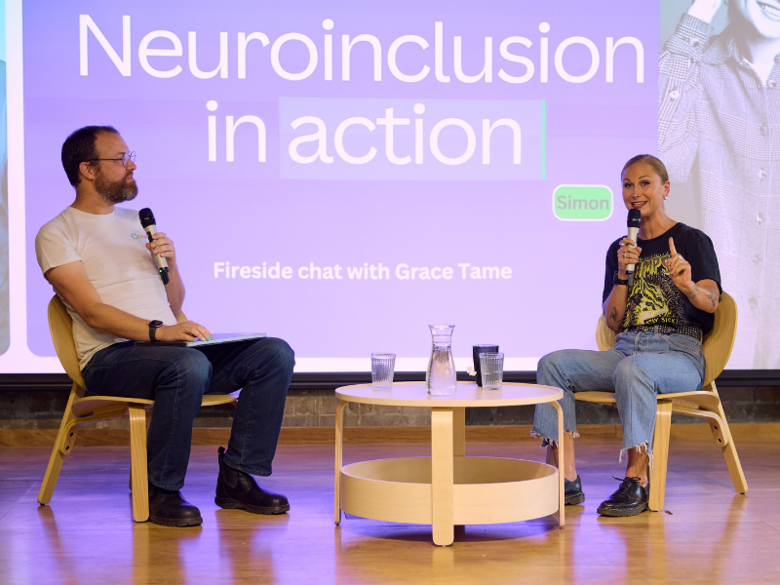
Beyond thriving Slack spaces, our Disability and Neurodiversity Collective (our Employee Resource Group) welcomes colleagues with different experiences from all the different parts of the world where we operate.
Together, we’ve celebrated and educated through fireside chats, panel events, conversation cards, and moments of intentional connection.
Forever learning
Mel Perkins, our co-founder and CEO, often shares that we are only 1% of the way there in our mission to empower the world to design. And we see our work in this space the same way. Being seen at work shouldn't feel surprising. One day, we'd love it to feel ordinary. We know we won't get there for everyone, or all at once. But when something we've created makes even one person feel that way, it's a moment worth holding onto - and it's what keeps us going.
Thinking about joining us? Have a look at how we hire and belonging at Canva. If there's anything that would help you show up as yourself in an interview, just ask - we mean it.


